
Understanding Flood Mitigation: Connecting Research, Observations, and Communities
Wednesday, November 11, 2026
11:00 am – 12:00 pm
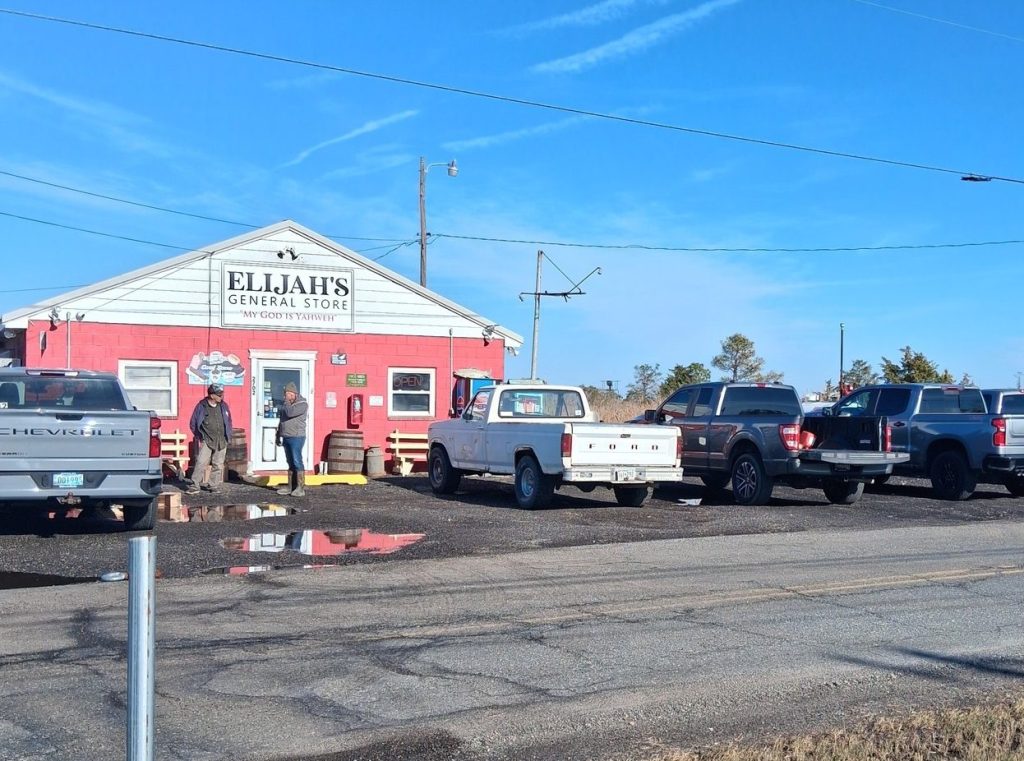
Join MARACOOS for a Partner Spotlight Webinar exploring the connections between flood risk and mitigation, local water-level monitoring, and community resilience.
Maria Stepanyan, University of Maryland, will share her research examining how local institutional structure influences a community’s ability to translate flood risk into mitigation action.
Afterwards, University of Maryland Associate Professor and MARACOOS partner, Tim Canty will provide an overview of HydroNet, its growing water-level monitoring across the Chesapeake Bay, and how HydroNet and MARACOOS work together to support a broader, stakeholder-driven regional water-level network.
About the Presenters
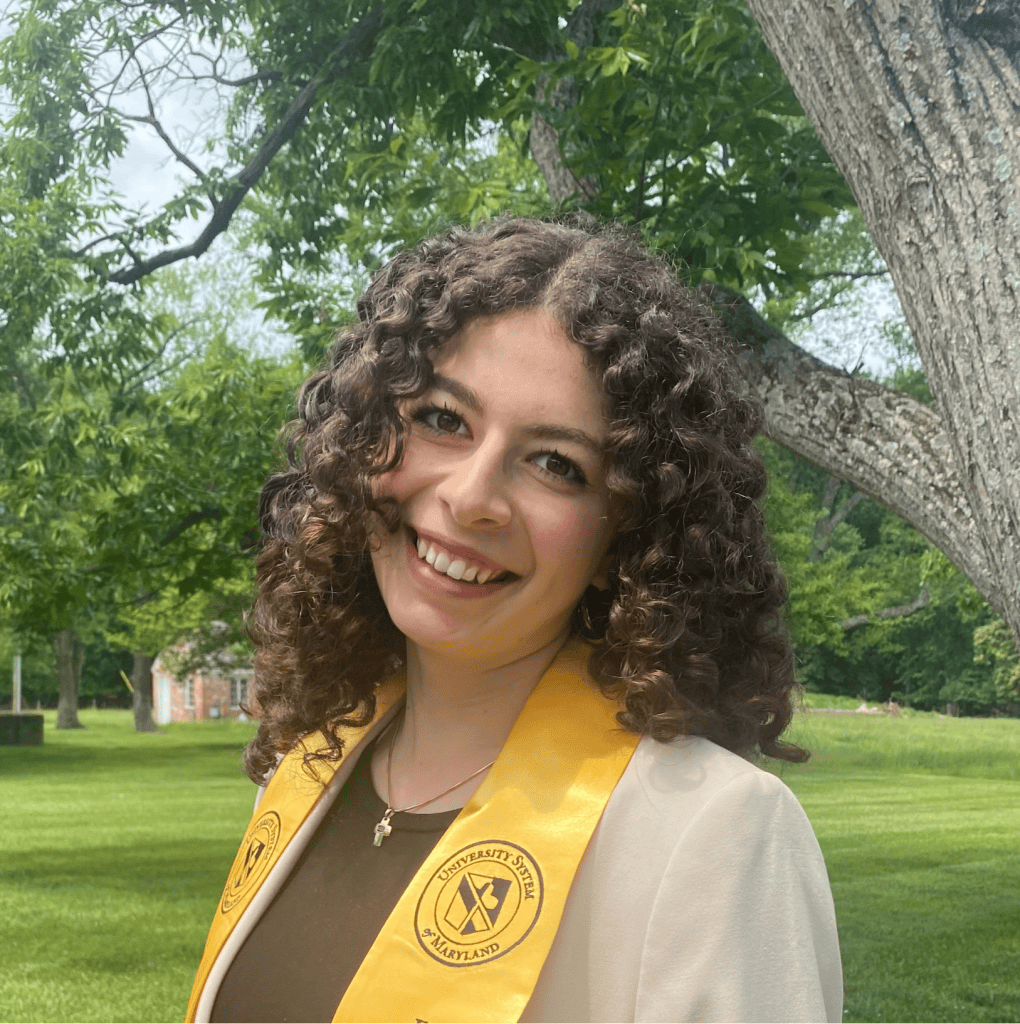
Maria Stepanyan is a third-year undergraduate student at the University of Maryland, pursuing a double degree in Public Health Science and Management. She began working with the UMD Climate Resilience Network in summer 2025 as an intern researching the meteorological drivers of nuisance flooding in Crisfield, MD, before transitioning to a research assistant role with the UMD Hydronet. In that role, she developed the Hydronet Notices flooding alert system and is researching enablers and barriers to flooding adaptation. In summer 2026, Maria interned with NASA Goddard’s Global Modeling and Assimilation Office, where she continues to work on impact assessment of Earth System products. Driven by a passion for addressing global challenges, she founded the global health nonprofit One Thriving World in August 2025, through which she leads nutrition and healthy lifestyle education programs both locally and internationally.
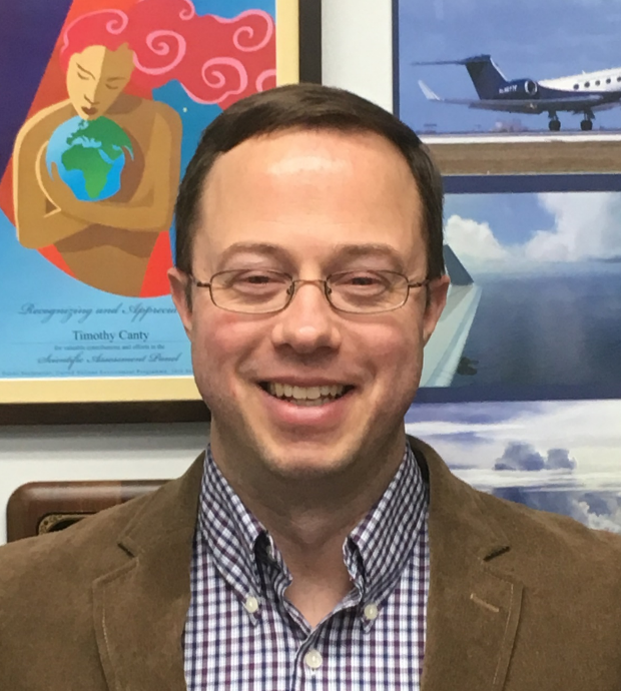
Tim Canty is the Associate Director of Earth System Science Interdisciplinary Center (ESSIC) at the University of Maryland. He leads UMD’s Hydronet program which strengthens water-level monitoring across the Chesapeake Bay region by deploying a cost-effective, scalable sensor network. Canty’s primary research focuses on air quality science and policy, stratospheric ozone, and climate change. Since 2010, he has led the air quality policy modeling efforts at UMD in partnership with the Maryland Department of the Environment. His team uses observations from satellites, balloons, aircraft and ground based instruments to test our understanding of atmospheric composition represented in photochemical models. This information is used by policy makers to ensure that the best available science informs the development of air quality regulations.
From Deployment to Data: Exploring the Mid-Atlantic with Gliders
Tuesday, December 8, 2026
11:00 am – 12:00 pm

Join MARACOOS for a behind-the-scenes look at the Mid-Atlantic regional glider program and follow the journey of glider from the time of deployment to near real-time data delivery. Learn more about how underwater hurricane gliders work, what they measure, and the teams responsible for deploying and operating them.
MARACOOS senior advisor, Mike Crowley, will provide a summary of this season’s glider deployments, operations, and observations from across the region and provide an in depth look into how MARACOOS conducts its seasonal glider missions.
Gain insight into how data is transmitted from the glider in real-time to the research team throughout its deployment and how observations are reviewed, processed, and managed through the national Glider Data Assembly Center and MARACOOS OceansMap. MARACOOS partner Tetra Tech will demonstrate how users can access and visualize glider data and discuss how these observations support researchers, forecasters, and other stakeholders who rely on timely ocean data.
About the Presenters
Mike Crowley is Rutgers University’s technical director and serves as MARACOOS’ senior advisor overseeing MARACOOS glider operations. At RUCOOL, Crowley manages operations the entire COOL Lab, ensuring continuous quality data delivery from RUCOOL, and heading up the external communications for the RUCOOL Team including oversight of their website.
Share this post

